


Tucked amongst tropical gardens overlooking the ocean, Time + Tide Tsara Komba draws inspiration from the island’s natural materials, traditional craftsmanship, and enduring sense of place. From ravenala thatched roofs to open-air living spaces designed to welcome the sea breeze, every element reflects the story of Nosy Komba.
An island with no roads and no bridges connecting it to mainland Madagascar, life on Nosy Komba has always been shaped by the realities of life by the sea. It is this spirit of resourcefulness, alongside a deep connection to the landscape and local traditions, that helped shape the design of Tsara Komba and continues to define the experience of staying here today.

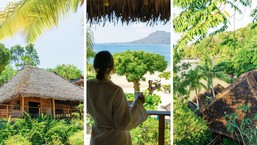
Open spaces were designed to work with the island’s natural airflow, allowing sea breezes to move freely through the suites and communal areas. Large wooden shutters replaced heavy glass windows. Indoor and outdoor living spaces blurred naturally into one another. Salt air drifts through open rooms. Curtains move gently in the breeze. The ocean is always within earshot.

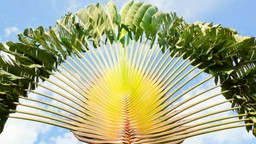
Much of the lodge’s design draws from one of Madagascar’s most iconic plants, the ravenala tree, often known as the traveller’s palm.
Endemic to Madagascar, the ravenala is instantly recognisable by its dramatic fan-shaped leaves, which have long been woven into daily life across the island. The name “traveller’s palm” comes from the water that gathers naturally at the base of the plant’s leaves, once used as a water source by travellers journeying across Madagascar. Traditionally, its leaves are used for roofing, its branches and stems for walls and structural elements, and its trunk for flooring and construction. Resourceful, resilient, and deeply tied to the island, the ravenala feels symbolic of Madagascar.

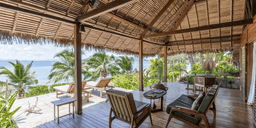
At Tsara Komba, nearly every part of the tree finds purpose. The broad ravenala leaves create the thick thatched roofs that blend softly into the forest canopy. The strong branches that support those leaves are used as natural wall panelling, creating warmth and texture throughout the lodge. Traditionally, even the trunk of the ravenala tree would have been used to create planks for flooring. What began as a necessity became something far more meaningful: an architectural style deeply connected to the island’s nature and the traditions of its people.
Rather than forcing the island to adapt to the lodge, the lodge adapted to the island, and perhaps that is what gives Tsara Komba its particular feeling of natural ease.
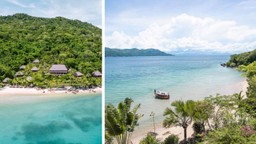
The lodge is intentionally intimate, with just eight ocean-facing suites tucked privately amongst tropical gardens overlooking the sea.
Inside, beds draped in mosquito nets sit beneath high thatched ceilings, while open-air showers invite in fresh air, birdsong, and glimpses of the surrounding palms. Each suite opens onto a private terrace where mornings begin with shutters thrown open to the ocean, and coffee enjoyed slowly above the tree line. By evening, soft warm light flickers beneath the thatch as the last colours fade across the water below.

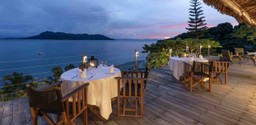
At the heart of the lodge, open-air communal spaces spill across elevated terraces overlooking the bay. Paths weave through tropical gardens and wind down to the beach below, revealing hidden decks and oversized daybeds tucked amongst the foliage. These quiet corners invite guests to pause, read, nap, or simply watch the changing colours of the sea. From here, guests move easily between long lunches, snorkelling excursions, forest walks, and slow dinners beneath the stars. There is a softness to daily life here that feels shaped by the island; by the tides, the changing light, and the constant movement of air through the palms.
Book your sustainable adventure with us
travel@timeandtideafrica.com
- Share:


