


An hour’s boat journey from Tsara Komba carries you across ever-changing shades of blue, until two pale islands appear on the horizon, suspended in turquoise water. Two crescents facing one another across a stretch of sea that will soon retreat to uncover one of Madagascar’s most striking natural phenomena.

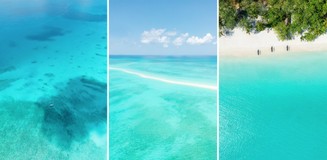
Nosy Iranja is made up of two islands, Nosy Iranja Be and Nosy Iranja Kely, linked by a mile-long ribbon of sugar-white sand. This sandbank emerges only at low tide, forming a natural bridge between the islands, with shallow turquoise water on either side.
Walking across it feels almost dreamlike, as though the sea has briefly stepped aside to let you pass.

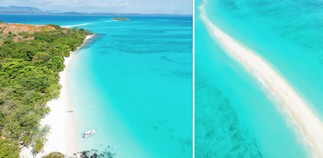
Nosy Iranja Kely is privately owned and largely untouched, so most of the day unfolds on the larger island, Nosy Iranja Be. Beyond its beautiful beaches, the island invites a deeper sense of exploration. A visit to the local village offers a glimpse into everyday island life, where simple homes sit just back from the shore and daily schedules are shaped by the sea.
From the village, those keen to stretch their legs can climb up to the old lighthouse, perched high above the island. The walk is unhurried and rewarding, leading to sweeping views across Nosy Iranja and the surrounding ocean. From the top, the sandbank is revealed in its full elegance, a pale line drawn between the islands.

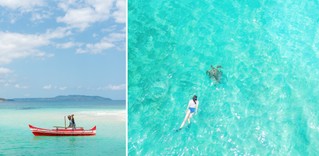
Back at sea level, the day is yours to do with it what you want. The beaches of Nosy Iranja Be are pristine and inviting, perfect for swimming in calm, clear shallows or wandering along the shoreline. Seasonal wildlife adds another dimension to the day. Hawksbill turtles typically nest here from October to April, followed by green turtles from June to September, leaving subtle signs of their nighttime visits in the sand. From August to November, the surrounding waters become a highway for humpback whales, and sightings are often part of the day’s breathtaking surprises.

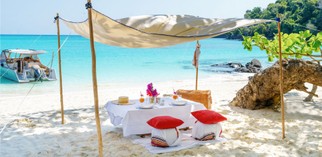
Midday is marked by a relaxed picnic lunch prepared by your guides, enjoyed right on the beach. Fresh flavours, open skies, and the sound of the waves set the tone, with no one around you and no need to rush back. The afternoon unfolds naturally, with time to swim, explore further, or simply sit and watch the tide begin its slow return.
As the sea rises, the sandbank gradually disappears, reconnecting the islands in a different way. The afternoon boat journey back to the lodge is joyful, the day lingering with you in sun-warmed skin and salty skin.
Book your sustainable adventure with us
travel@timeandtideafrica.com
- Share:


